
The conversation turned to modern technology, internet culture and the ways Polish identity shows itself in the digital world
A Polish touch that unites: from Rosalía to online euphoria
One of the central examples was the story of the famous Spanish artist Rosalía’s visit to Poland. She came to Warsaw to shoot the video for her single Berghain and posted photos on Instagram from a milk bar, where she tried a traditional Polish schnitzel and borscht. The post quickly went viral.
Marta points to the phenomenon of mass delight at any mention of Poland anywhere in the world: “I think what you mentioned really is very noticeable — a kind of collective euphoria when it’s ‘Poland Mentioned’, when some Polish touch turns up in something where we don’t expect it at all.”
Other similar examples include the visit of the singer Charli XCX while her album Brat was at the height of its popularity.
Mushroom-picking culture
One of the things that unites Poles, according to Marta, is… mushrooms:
“Let me explain what I mean, because in fact not many nations go picking mushrooms in the forest… A whole culture has been built around it: recognising mushrooms, knowing how to read the way they look, the question of whether you have to get up at four in the morning or whether you can go after lunch, and who has their own ‘spots’.”
On patriotism: national and local
The two women stress that not everyone has to love Poland — and that’s fine. Traditional patriotism is increasingly giving way to local identity — at the level of the city or the neighbourhood.
Marta talks about her attachment to neighbourhood Facebook groups: “I never leave them, because they’re a source of fantastic content. And I love these groups, I simply adore them.”
Language as the cornerstone of identity
For Marta, the Polish language is the key element of her bond with the country: “I definitely feel like a patriot of the Polish language. That really matters to me.”
Poles, she says, are often proud of how difficult their language is, of its seven grammatical cases and of the fact that foreigners find it hard to learn.
When Poles became a community: 2022
Marta singles out the first months of welcoming Ukrainian refugees as a special example of national solidarity:
“The last big moment for society as a whole… was, as I see it, 2022, the end of February… Back then we had this huge, powerful, grassroots national outpouring.”
She recalls the prams left at railway stations, the food people bought, the homes thrown open — gestures that became symbols of that time.
Julia Święch adds: “And it’s sad how quickly that can change, too… Attitudes towards refugees from Ukraine are changing in a terrible, frightening way.”
Polish mobilisation in times of crisis
Marta draws attention to the Poles’ historical ability to pull together in difficult circumstances: “Poles, it seems to me, function much better in a crisis… For us it’s a kind of state that often feels more natural.”
The conversation between Julia Święch and Marta Nowa offered a chance to see how the internet and social media are shaping modern Polish identity. Changing attitudes to patriotism, the importance of language, the influence of local communities and moments of national solidarity — all of this defines how Poles see themselves today.
This was a festive conversation for Poland’s Independence Day on Polish Radio Programme 4 (Czwórka) about the country, society and self-identity in the digital age.
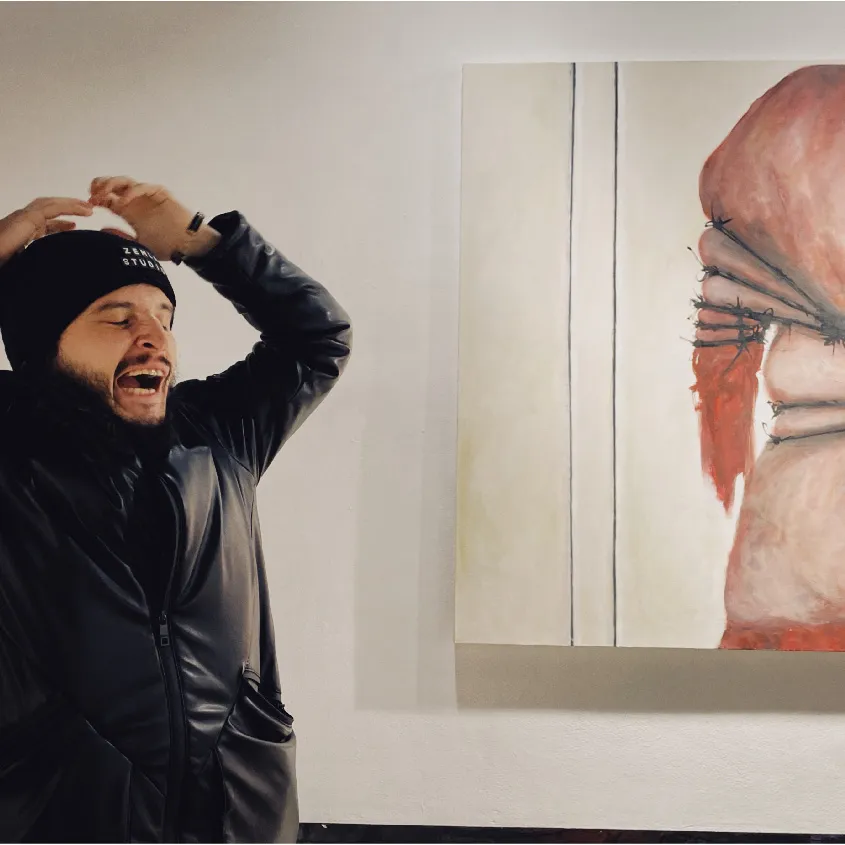
Dr. Myroslav Trofymuk
Born in Lviv. Designer, director, musician, researcher, founder of ZEMLA STUDIO. Master of classical philology and digital marketing, PhD in the history of Ukrainian literature. Member of the National Union of Journalists of Ukraine. Since 2022 he has authored the CENTRUM MUNDI audio show for Polish Radio for Ukraine, continuing the same research into the contemporary music scene in Ukraine and Poland.
Full bio →
